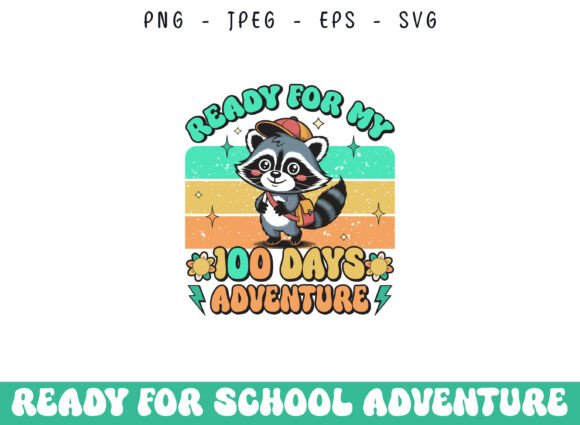
Review: 100 Days School Adventure Retro Groovy
As an embroidery designer who has spent countless hours digitizing and testing files for real-world application, I approach every new machine embroidery design with a critical eye. It is not just about whether the artwork looks cute on a screen; it is about how those shapes translate into thread, how they hold up on fabric, and whether they will actually sell or delight the end user. Recently, I evaluated the 100 Days School Adventure Retro Groovy design, and it offers a fascinating case study in balancing retro aesthetics with practical stitching requirements.
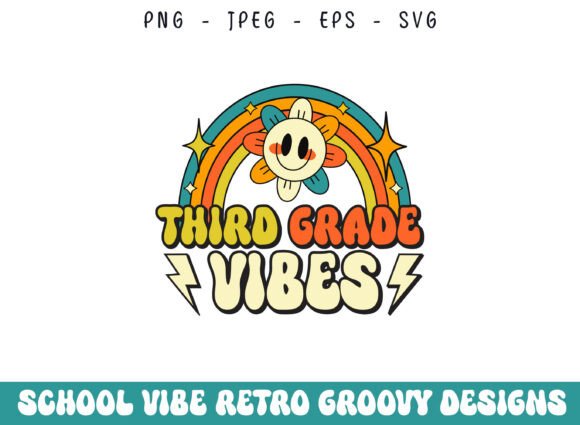
The first impression of this piece is undeniably nostalgic. It captures that specific "groovy" vibe popular in current Crafts trends, blending bold, rounded typography with playful, vintage-inspired motifs. For those of us creating design assets for small businesses, this mood is crucial. It speaks directly to parents and teachers looking for something fun yet stylish for the milestone of the 100th day of school. However, from a technical standpoint, the description notes that it is made with 100 vector shapes. This is a significant detail for us as digitizers and stitchers. Vector-based origins often mean clean lines, but in embroidery, we must ensure those clean lines do not become overly dense or fragile when converted into stitches.
Real-World Application: The Tote Bag Test
To truly understand the value of this embroidery file, I visualized it on a standard canvas tote bag, a staple item for any Etsy seller or craft business owner during the back-to-school season. The layout of the 100 Days School Adventure Retro Groovy design suggests a centered, statement-piece placement. On a tote, the retro fonts would need to be large enough to read from a distance but spaced carefully to avoid puckering the canvas.
I imagined stitching this onto a natural cotton canvas. The "groovy" elements likely involve curved lines and potentially some filled areas. If these are handled as fill stitches, the stitch density becomes a primary concern. Too dense, and the fabric pulls; too light, and the backing shows through. For a project like this, I would recommend a medium-weight cut-away stabilizer to support the weight of the thread, ensuring the finished product remains flat and professional. The design’s ability to change color easily, as noted in its description, is a massive advantage here. A teacher might want school colors, while a parent might prefer pastels. This versatility makes it a strong candidate for custom apparel and accessories.
Versatility Across Products
Beyond tote bags, where does this design shine? I see strong potential for sweatshirt embroidery. The retro aesthetic pairs perfectly with the cozy, casual feel of a crewneck sweatshirt. However, stitching on fleece or jersey requires careful attention to thread colors and contrast. If you are stitching on a dark navy sweatshirt, you must ensure the design elements are bright enough to pop. The description mentions easy color changes for dark or white t-shirts, which implies the design relies on solid blocks of color rather than subtle shading. This is good news for production speed and clarity.
For baby embroidery projects, such as onesies or bibs, caution is advised. While the theme is school-related, older siblings or teachers might appreciate the design on smaller items. Here, the hoop size becomes critical. You must confirm the maximum dimensions of the design before purchasing. If the design is too large for a standard 4x4 hoop, you may need a larger machine or a different placement strategy. Additionally, on stretchy baby fabrics, a proper stabilizer is non-negotiable to prevent the satin stitch or fill areas from distorting after washing.
Navigating Technical Challenges
No design is without its quirks, and experienced makers know to look for potential pitfalls. With 100 Days School Adventure Retro Groovy, the primary areas for careful evaluation are the small details and corners. Retro fonts often have unique swashes or tight curves. In embroidery, tight inside corners can lead to thread breaks or bulky buildup if not properly under-stitched. I always advise testing the design on scrap fabric first. This allows you to check the stitch density and see if any tiny elements turn into unrecognizable blobs of thread.
Another consideration is the fabric texture. This design would likely struggle on highly textured materials like terry cloth or thick wool unless it was digitized specifically as an applique design. If it is a standard stitch-out, the intricate details might get lost in the pile of the fabric. For best results, stick to smooth cottons, poly-blends, or canvas. If you are planning to use this on a cap, remember that curved surfaces distort designs. You may need to adjust the pull compensation or choose a simpler version of the design if available.
Commercial Viability and Brand Consistency
For small shop product creators, the visual appeal of this design translates directly to perceived value. A well-executed retro design feels trendy and intentional, which builds customer trust. When a buyer sees a crisp, clean embroidered patch or a neatly stitched shirt, they associate that quality with your brand. The 100 Days School Adventure Retro Groovy theme is seasonal, meaning it has a limited window of high demand. To maximize its value, consider using it in printable mockup previews early in the school year. Showcasing the design on various items like aprons, pillow covers, or even mugs (if using sublimation alongside embroidery) can help buyers visualize the possibilities.
It is also vital to discuss licensing. As a digital embroidery file intended for commercial embroidery use, you must confirm the terms before selling finished items. Does the license allow for unlimited physical sales? Can you use the image in marketing materials? Always read the fine print. Assuming the license permits commercial use, this design fits well into a broader collection of school-themed Graphics and crafts. It complements other educational motifs, allowing you to create cohesive bundles for your online store.
Final Designer Notes
Before you commit to stitching this on a client’s garment, take these practical steps. First, run a test stitch on a similar fabric to what you plan to use for the final handmade product. Check the tension and look for any bird’s nests or loose threads. Second, evaluate the color contrast. Use black and white mockups to ensure the design holds its shape even without color cues. Third, inspect the small lettering. If the "100 Days" text is small, ensure it is legible. If not, consider resizing or simplifying.
The 100 Days School Adventure Retro Groovy design offers a charming, timely option for educators and parents. Its strength lies in its trendy aesthetic and adaptability to different colors. However, its success depends entirely on your execution. By respecting the technical limits of your machine, choosing the right stabilizer, and understanding your fabric, you can turn this digital asset into a cherished personalized gift or a best-selling small shop product. Whether you are making a holiday embroidery gift for a teacher or stocking up for back-to-school sales, this design deserves a spot in your library, provided you approach it with the precision it requires.