Reviewing the Teacher Trendy Sublimation PNG for Embroidery
As a designer who spends half my life digitizing files and the other half stitching them out, I have learned that not every graphic translates well to thread. When I first encountered the Teacher Popular Trendy Sublimation PNG, my initial reaction was cautious curiosity. In the world of Crafts and digital Graphics, teacher-themed designs are ubiquitous. However, finding one that balances trendy aesthetics with technical feasibility for embroidery is a different challenge entirely. This review breaks down how this specific asset performs when moved from a screen to a sewing machine, focusing on real-world application for small business owners and hobbyists alike.
First Impressions and Visual Personality
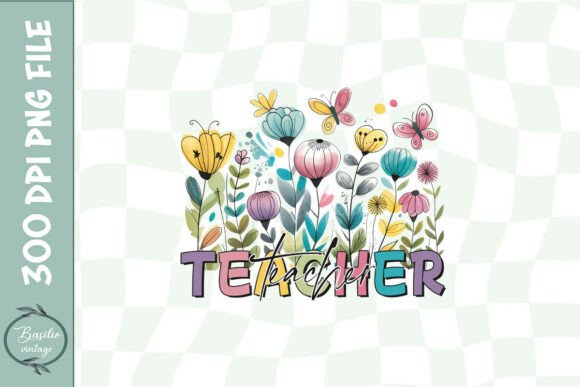
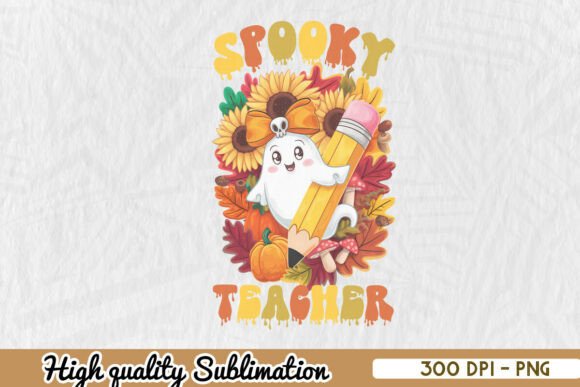
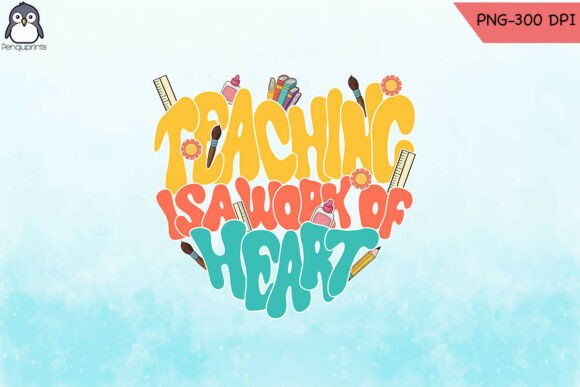
The immediate appeal of the Teacher Popular Trendy Sublimation PNG lies in its layout and mood. It captures that modern, slightly whimsical vibe that parents and students currently love. For an embroidery designer, the first thing I look for is clarity. Does the design have defined edges? Is there enough negative space? Since this file arrives as a high-resolution 300 DPI transparent background PNG, the visual lines are crisp. This is crucial because blurry edges in a source image lead to jagged, unclear stitching paths if you are using auto-digitizing software or tracing manually.
The theme feels approachable and professional without being stiff. It fits perfectly into the current market demand for personalized gifts that feel boutique-quality rather than mass-produced. When I visualize this on a product, I do not see it as just a picture; I see it as a brand statement for an Etsy seller or a small shop product. The design’s personality suggests warmth and appreciation, making it ideal for end-of-year gifts, teacher appreciation weeks, or back-to-school promotions.
Real-World Application: From Screen to Stitch
To truly evaluate this asset, I imagined a specific project: a custom canvas tote bag for a local elementary school teacher. Tote bags are a staple in the craft business world because they are practical and offer a large, flat surface for decoration. Using the Teacher Popular Trendy Sublimation PNG as the base for a tote bag design requires careful planning. Because the file is a raster image (PNG) and not a vector or native embroidery file, you cannot simply load it into your machine. You must digitize it or use it as a reference for an applique.
If you choose the applique route, which is often the best method for complex graphics like this, the PNG serves as your perfect template. You would print the design, fuse it to fabric, cut it out, and stitch it down. This method reduces stitch density significantly, preventing the fabric from puckering. For a sweatshirt embroidery project, this approach also adds a nice textural contrast between the smooth applique fabric and the fuzzy fleece or cotton of the garment. The result is a clean, professional finished product that looks high-end.
Another viable scenario is creating an embroidered patch. Patches are trending heavily in the handmade community. By stitching this design onto a sturdy twill or felt backing, you create a versatile accessory that can be ironed or sewn onto jackets, backpacks, or hats. The transparent background of the PNG makes it easy to isolate the main elements, ensuring your patch has clean borders without unwanted white boxes around the edges.
Technical Considerations for Embroiderers
While the design is visually strong, there are technical hurdles to consider. The product description notes that you receive a ZIP file containing one PNG. It explicitly mentions that SVG files are noted but does not confirm their inclusion or format in this specific bundle. This is a critical distinction. If you are relying on this PNG for a machine embroidery design, you must be comfortable with digitizing software. You cannot treat a PNG like a native embroidery file (such as PES, DST, or JEF).
Stitch density is another major factor. If you attempt to fill-stitch every detail of this graphic directly onto fabric, you risk creating a stiff, heavy patch that may warp the garment. For baby embroidery items, such as onesies or bibs, heavy stitching is a no-go. Babies have sensitive skin, and bulky stitches can be uncomfortable. In these cases, I recommend using the PNG as a guide for a simplified outline or using lightweight running stitch techniques for details, reserving satin stitch only for bold borders or key text elements.
Fabric choice matters immensely. On textured fabrics like linen or heavy canvas, fine details from the PNG might get lost. Conversely, on stretchy fabrics like jersey knits, proper stabilization is non-negotiable. Without a cut-away stabilizer, the tension from the stitches will pull the fabric, distorting the trendy shapes of the design. Always test on scrap fabric first. Check how your thread colors interact with the fabric background. A dark thread on a dark fabric will vanish, while high-contrast choices will make the design pop.
Navigating Limitations and Best Practices
There are specific scenarios where you should use caution with this design. Small hoop sizes, such as 4x4 inches, may require you to scale the image down. When resizing a PNG, you must ensure you do not lose resolution. Although the file is 300 DPI, shrinking it too much can make tiny details impossible to stitch cleanly. Tiny lettering or intricate corners often turn into blobs of thread if the needle cannot physically navigate the space. If the design includes small text, consider removing it or enlarging it significantly for clarity.
Curved surfaces, like caps or hats, present another challenge. The Teacher Popular Trendy Sublimation PNG likely has a rectangular or square footprint. Placing a large, flat design on a curved cap brim or front panel requires strategic placement. You may need to break the design into smaller sections or use a split-stitch technique to accommodate the curve. Additionally, avoid placing dense stitch areas near seams or zippers, as this can cause needle breaks or uneven feeding through the machine.
For those selling commercial embroidery items, licensing is paramount. The product description implies personal use, but commercial rights vary. Before listing custom apparel or holiday embroidery gifts on your store, confirm the license terms. Using a sublimation PNG for physical embroidered goods is generally acceptable if you are creating a unique finished item, but reselling the digital file itself is typically prohibited. Always read the fine print to protect your craft business.
Enhancing Product Value and Brand Consistency
Ultimately, the value of the Teacher Popular Trendy Sublimation PNG lies in its versatility for branding. For an Etsy seller, consistency is key. If this design matches your shop’s aesthetic, it can become a signature item. Use it to create cohesive printable mockup images for your listings. Even if you are not selling the digital file, showing high-quality photos of the embroidered result builds customer trust. Buyers want to see how the design assets translate to real life.
The visual appeal of this design can elevate a simple personalized gift into a cherished keepsake. Whether it is adorning a kitchen towel, a pillow cover, or a teacher’s favorite cardigan, the trendy nature of the graphic ensures it feels current and thoughtful. By paying attention to fabric texture, choosing the right hoop size, and respecting the limitations of the file format, you can produce a handmade product that stands out in a crowded market. This PNG is a solid starting point for creative entrepreneurs willing to put in the technical work to bring it to life through thread.